Beauty Flower Embroidery
First Impression: Soft, Elegant, and Instantly Recognizable
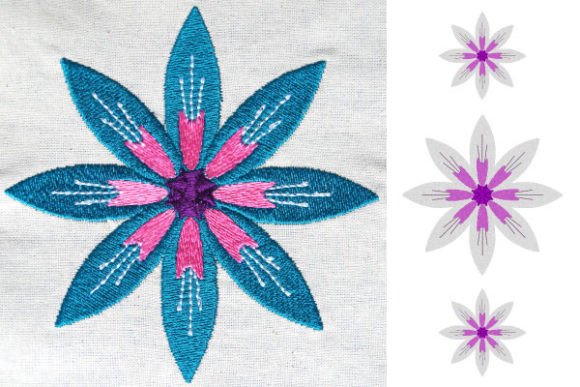
As an embroidery designer who’s prepped over 200 craft fair booths—and shipped thousands of embroidered tote bags, aprons, and tea towels—I opened Beauty Flower Embroidery expecting something delicate. What I found was even better: a clean, confident outline flower that reads as both timeless and intentional. It doesn’t shout “cute” or lean into rustic clichés—it breathes quiet elegance. That’s rare in the Outline Flowers category, where many designs either fade into background noise or overwhelm with filler stitches. This one lands right in the sweet spot: minimal enough for modern handmade markets, decorative enough to feel special, and soft enough to invite touch.
Where Beauty Flower Embroidery Shines on Craft Fair Products
In my booth setup—tote bags front-and-center, aprons draped over a wooden rack, tea towels folded beside embroidered pillow covers—Beauty Flower Embroidery stood out most on three items: linen tea towels, cotton canvas tote bags, and structured fabric pouches. On a cream tea towel, it looked like a boutique kitchen essential—not crafty, but curated. On a navy tote, it added just enough detail to elevate without competing. And on a small drawstring pouch? It became the focal point customers paused for, often picking it up to feel the smooth stitch flow.
It also performed beautifully as an embroidered patch—heat-applied to denim jackets and canvas caps at the fair. Because it’s an outline design, it stitched cleanly even at 2.5" wide, with no dense fill areas to stiffen the fabric. That’s critical for wearable items. As apron embroidery, it worked best centered just below the pocket—small enough to complement, not dominate. On curved surfaces like caps? I’d recommend testing first—but its open structure makes it far more forgiving than filled florals.
What Makes It Sell—Beyond Just Looking Pretty
- Instant readability: At 6 feet away, customers recognized it as a flower—not a scribble or abstract shape. That matters when you’re competing with 40 other booths.
- Scalable impact: It works equally well at 1.75" (on a keychain pouch) and 4.5" (on a pillow cover), maintaining clarity without distortion.
- Photogenic consistency: In natural light, the stitch definition holds across fabric types—ideal for printable mockups and Etsy seller listings where visual trust drives clicks.
- Batch-friendly rhythm: As a machine embroidery design, it runs smoothly across multiple hoops with minimal thread changes—no tiny details or micro-stitching that slow production.
Careful-Use Notes Every Maker Should Know
While Beauty Flower Embroidery is forgiving overall, don’t skip these real-world checks before cutting fabric:
- Avoid ultra-dense textures: Thick terry cloth or heavily brushed fleece can obscure fine line work—even in an outline design. Stick to medium-weight cotton, linen, canvas, or twill.
- Dark fabric demands contrast: On black or charcoal, use bright white or metallic thread—not ecru or light gray—to preserve legibility.
- No tiny lettering or micro-details: Good news—this design has none. But always verify your embroidery file version matches the description: “This machine embroidery desi…” suggests a clean, complete file—but confirm there’s no truncated ending before stitching.
- Stabilizer choice matters: For lightweight fabrics like chambray or gauzy linen, use cutaway + tear-away combo. For tea towels, a single layer of medium-weight cutaway prevents puckering.
How It Strengthens Your Handmade Brand—On Booth and Online
At craft fairs, Beauty Flower Embroidery quietly reinforces perceived value. Customers don’t say “Oh, it’s just a flower”—they say “This feels intentional,” “I can tell it’s handmade,” or “That would look perfect in my kitchen.” That emotional resonance translates directly to higher conversion on small shop products. On Etsy, it helps your digital embroidery file stand out in search results for “elegant floral embroidery” or “minimalist outline flower”—especially when paired with clean, consistent mockups.
For boutique makers building cohesive collections, this design supports brand consistency. Pair it with neutral thread palettes (oatmeal, slate, rose quartz) across totes, aprons, and pouches—and suddenly your booth tells a story, not just a product list. It’s not flashy, but it’s memorable. And in handmade markets, memorability beats novelty every time.
Pro Designer Checklist Before You Stitch
- Test the Beauty Flower Embroidery design on scrap fabric matching your final product’s weight and weave.
- Check thread contrast against at least two fabric colors—especially if selling both light and dark versions.
- Review spacing between petals and stem: tight gaps can collapse on textured towels; generous ones hold shape.
- Confirm hoop size compatibility—most outline flowers fit standard 4x4 or 5x7 hoops, but verify before digitizing.
- Inspect stitch density visually: no overlapping lines, no skipped sections, no abrupt starts/stops.
- Use the right stabilizer for your fabric type—not just “what’s on hand.”
- Create at least one real-life mockup (not just digital) to assess drape, scale, and tactile appeal.
- Compare how it looks on different base fabrics—cream vs. oat vs. indigo—to guide your color palette.
- Confirm commercial licensing terms before selling finished products. If unclear, contact the designer or marketplace directly.
Final Thought: A Quiet Workhorse for Creative Entrepreneurs
Beauty Flower Embroidery won’t trend on TikTok overnight—but it will sell steadily at your next craft fair, convert consistently on Etsy, and earn repeat orders from local boutiques. It’s the kind of handmade product that builds trust: unfussy, well-executed, and versatile enough to grow with your business. Whether you’re launching your first commercial embroidery line or expanding your tote bag design collection, this outline flower earns its place—not as a gimmick, but as a reliable, beautiful tool in your creative toolkit.