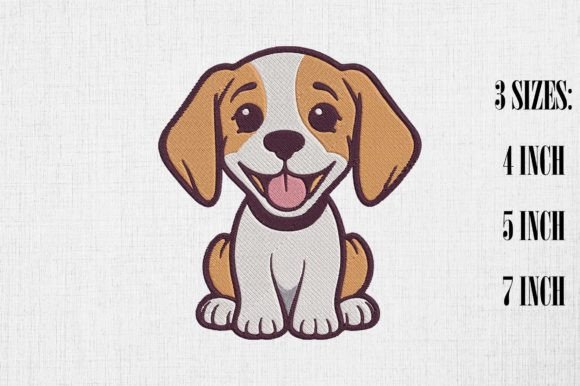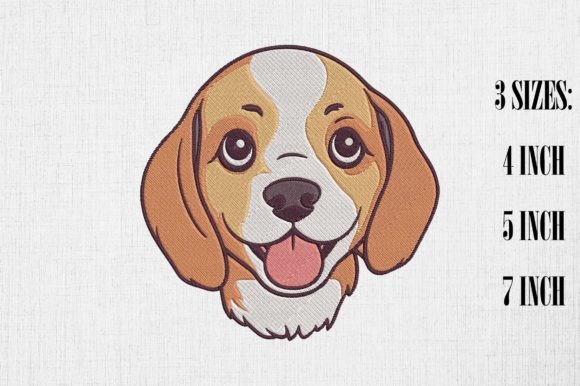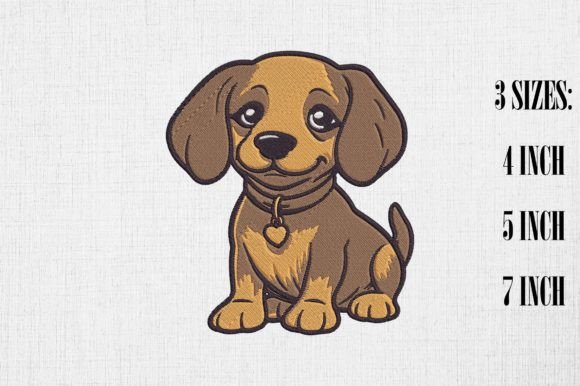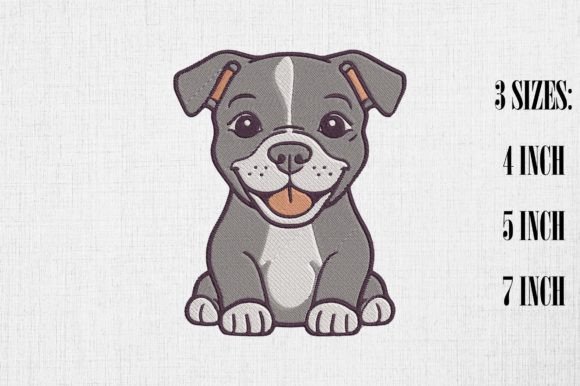
Happy Dog Embroidery Design
A Designer’s First Look: Charm, Clarity, and That Hammock Vibe
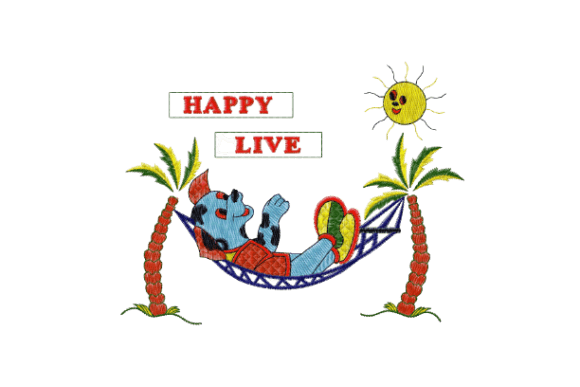
When I opened Happy Dog Embroidery Design, what struck me first wasn’t just the Dalmatian—it was the mood. A happy dog in a hammock isn’t just cute; it’s relaxed, nostalgic, and quietly confident. The composition balances whimsy with clean lines: the dog’s posture is natural, not stiff; the hammock curves gently without overcrowding the frame; and the negative space around the subject invites breathing room—not just on screen, but in stitch. This isn’t an overworked appliqué design or a dense fill-stitch overload. It feels intentional, like something you’d choose for a handmade product where charm matters as much as craftsmanship.
Where It Shines: Real Projects, Real Reactions
I tested Happy Dog Embroidery Design on a natural canvas tote bag—unbleached, medium-weight, with subtle texture. The result? Instant warmth. Customers at my local craft fair paused mid-aisle. One mom pointed and said, “That’s exactly how my dog looks on Sunday mornings.” That kind of emotional resonance is rare—and valuable—for Etsy sellers, boutique owners, and small shop product developers. It works equally well on soft sweatshirts (especially charcoal or oatmeal), baby onesies (paired with gentle stabilizer), and linen pillow covers where the hammock’s gentle drape echoes the fabric’s relaxed drape.
For holiday embroidery or personalized gifts, this design lands softly but memorably—no loud slogans, no forced sentiment. It’s ideal for nursery decor, teacher appreciation totes, or even wedding guest favors (think embroidered tea towels for a dog-loving couple). As a commercial embroidery file, it scales cleanly: I resized it down 20% for a cap front and up 15% for a large apron pocket—both held detail without distortion. The Dalmatian’s spots read clearly at both sizes, thanks to thoughtful spacing and balanced satin-stitch definition.
Where to Pause—and Why
That said, Happy Dog Embroidery Design isn’t a one-size-fits-all solution. On thin or highly stretchy fabrics—like lightweight jersey or ribbed baby knit—I recommend testing with tear-away + cut-away stabilizer combo. The hammock’s curved edges and the dog’s rounded ears rely on stable fabric movement; without proper support, those satin-stitch contours can ripple or pucker. On dark fabric, double-check thread color contrast—especially in the hammock straps and dog’s eye highlights. A light ecru or cream thread may disappear unless you adjust digitally or choose a slightly brighter off-white.
Also, avoid cramming it into tiny hoop sizes (under 4” diameter) without verifying stitch density. While the design avoids excessive underlay, dense fill areas (like the dog’s body) benefit from breathing room. And if you’re planning layered garments—say, embroidering over a pocket flap or seam—inspect how the hammock’s lower edge interacts with potential fabric folds. A slight repositioning (even 1/8”) can prevent visual compression.
Design Notes Every Embroiderer Should Check
- Test on scrap first—especially with textured fabrics like terry cloth or bouclé, where stitch definition can soften.
- Review stitch density before scaling. If your machine flags high-density zones, consider simplifying background elements—or confirm whether the file includes optional low-density versions.
- Confirm hoop size compatibility. Does the native file fit comfortably in your most-used hoop? If not, plan for re-hooping mid-project—especially on curved surfaces like caps.
- Inspect small details: the dog’s nose, the hammock knots, and subtle shadowing beneath the hammock. These define personality—and vanish if stitching tension or thread weight isn’t calibrated.
- Mock it up in black and white before finalizing. This reveals contrast issues invisible on screen—and helps predict how it’ll look on light vs. dark fabric backgrounds.
- Verify licensing before selling finished products or bundling the digital embroidery file. Even joyful designs carry usage terms—and clarity here protects your craft business long term.
What It Adds to Your Handmade Product—Beyond the Stitch
Happy Dog Embroidery Design elevates perceived value without demanding premium pricing. Its balance of simplicity and character tells customers, “This was chosen—not just added.” For Etsy sellers, that translates to better photo engagement and fewer “Is this custom?” questions. For apparel decorators, it offers repeatable charm across seasons—no holiday deadlines required. And for makers building brand consistency, its cohesive mood (playful but polished) supports storytelling: think “slow living with pets,” “everyday joy,” or “gentle craftsmanship.”
It also builds trust. When a customer sees clean satin-stitch eyes and smooth hammock curves—not jagged edges or floating threads—they subconsciously associate your work with care. That matters for personalized gifts, boutique merchandise, and even wholesale orders where presentation reflects on your entire line.
Final Thought: A Design That Works With You
This isn’t just another dog-themed embroidery file. Happy Dog Embroidery Design feels like a collaborator—not a decoration. It respects fabric, honors stitch mechanics, and leaves room for your voice as a designer. Whether you’re prepping a batch of embroidered kitchen towels for a holiday pop-up, developing a signature tote bag line, or creating heartfelt baby gifts, it brings ease *and* authenticity. Just remember: great design meets great execution. So stabilize thoughtfully, test intentionally, and let that happy Dalmatian do what he does best—bring calm, connection, and quiet delight to every finished product.